January 12, 2012 marks the 100th anniversary of the Bread and Roses garment mill workers strike in Lawrence, MA. And just as today’s Occupy Wall Street movement focuses on the 99% and 1%, the truth of 1912 was that 1% of the richest Americans owned 50% of the country’s wealth. Conducting a difficult eight-week struggle during the dead of winter against “Textile Trust” mill owners, banks, state militia, police, clergy and local government, this strike involved thousands of immigrants, nearly half women, fighting for justice and human rights, a watershed moment in the history of American labor struggles. LaborFest commemorates this event with a cultural and arts event at ILWU Local 34 at 801 2nd Street, San Francisco, next to AT&T stadium.
Painting, photography, drawing and graphic art will be on display from Sunday, January 8th through Wednesday, January 11th, 2012. A reception will be held for the nine artists participating in this exhibition on Sunday from noon to 3 PM. Free parking is available in the ILWU parking lot adjacent to the corner of 2nd and King Streets. Viewing hours will be from noon to 5 PM, Sunday through Tuesday, and noon to evening closing, Wednesday.
A potluck will be held on Wednesday, beginning at 6:30 PM with a presentation on the Bread and Roses Strike at 7:15 PM. Bring a dish and your voice. All are welcome. A $10.00 donation will go to Occupy San Francisco and ILWU Local 21 EGT Fighting Fund, Longview, WA. No one will be turned away due to lack of funds. Artists and poets include David Rovics, Renee Gibbons, Alice Rogoff, The Rocking Solidarity Chorus, Halie Hammer, Mary Rudge and others. LaborFest organizes events on labor and culture for the month of July every year, 2012 marking the nineteenth year of July events sponsored by the organization. Events for January 2012 will be posted at laborfest.net.
Jesus Barraza and Melanie Cervantes are graphic arts collaborators in their project Dignidad Rebelde. The poster products from this teamwork reflect community struggles, visions of hope and assertions of dignity. Their subject matter embraces a wide humanity, recognizing that “the history of the majority of people worldwide is a history of colonialism, genocide, and exploitation.” Barraza, an activist printmaker based in San Leandro, CA, is co-founder of ten12, a collective of digital artists, and Taller Tupac Amaru, a studio devoted to screen printing. Barraza has taught and exhibited widely, including Chicago, El Paso, New York, San Francisco, Santa Fe, Tokyo, Bolivia and Mexico. Cervantes, who holds a BA in Ethnic Studies from the University of California, Berkeley, is an Xicana activist-artist who serves justice movements with her artistic vision. She has exhibited in Austin, Chicago, Los Angeles, and San Francisco, and her art has reached audiences worldwide.
The muralist Mike Conner is a former member of IBEW as an electrician and is now a member of IATSE Local 1 at the Metropolitan Opera in New York City. His art has been focused on labor themes for decades, where it has been displayed at labor festivals and art exhibitions, including a continuing series called Boss Greed. He is a continuing contributor to LaborFest, participating in the commemoration of the 1934 San Francisco general strike in 2009 and the 100th Year Commemoration of the Triangle Shirtwaist Factory Fire this year.
Jan Cook has always made art in the context of social issues. Her early work developed first during the rising awareness of women’s issues in the 1970s and gradually broadened to include labor, race and class perspectives. Cook studied at the University of Illinois and California State University, Los Angeles, obtaining irrelevant BFA and MFA degrees. After a few years of experimentation as an illustrator in the movie industry, Cook became involved with the Los Angeles Mural Movement, working with Judy Baca and others. Moving to San Francisco, the artist continued painting murals and making prints. Recently Cook has been combining printmaking with digital painting, altering hand-drawn images with found pictures of historical and contemporary news events from the Internet.
David Duckworth employs drawing to comment on the social conditions of cities and political states. He has exhibited at Bluedahlias and Underglass in San Francisco, Works/San José, and with Collaborative Concepts at Saunders Farm, Garrison, NY. As a performance artist, Duckworth has organized and presented Detainee at Roger Smith Hotel, New York, and collaborative work at Jonathan Schorr Gallery, New York. As a curator, he has organized Body Commodities / Queer Packaging and American Seven at Works/San José, Detainee Wear at Bluedahlias, and several exhibitions for LaborFest.
Gloria Frym’s family connects the artist to the textile industry for over three generations. Her immigrant father, grandparents and other relatives all worked in the Manhattan textile industry. Her maternal grandparents are buried in Workman’s Circle in a Long Island cemetery. An associate professor in the MFA and BA Writing and Literature Programs at California College of the Arts, Frym has been photographing handmade protest signage for the last ten years. Primarily a writer, Frym is the author of two short story collections, Distance No Object (City Lights Books) and How I Learned (Coffee House Press), as well as several volumes of poetry, including Mind Over Matter (BlazeVOX), Any Time Soon (Little Red Leaves), and The Lost Sappho Poems (Effing Press). She also has a book of interviews with women artists and published numerous essays, articles and reviews.
A San Francisco-based painter, Amelia Lewis has exhibited in Dallas, Los Angeles and San Francisco since 2001 and curated exhibitions since 2004. All images are from the Do I Look Illegal series, which first opened at the former Timezone Gallery, San Francisco.
Graphic artist Doug Minkler has designed posters for several decades that address social inequalities and oppression, war, and corporate profiteering and plutocracy. The artist was recently honored by the Center for the Study of Political Graphics in Los Angeles. Minkler is a past contributor to LaborFest, most recently exhibited at SOMArts Cultural Center and Expressions Gallery, Berkeley.
In artist Rachel Schreiber’s specific work for this exhibition, the portraits of early twentieth-century textile workers’ immigrant women leaders and contemporary labor activists of Mexico bridge the time span between then and now, American labor activism of the past and global labor activism of the present. Presently Associate Professor and Director of Humanities at The California College of the Arts, Oakland and SF, Schreiber has exhibited at the Contemporary Jewish Museum, San Francisco, Maryland Institute College of Art, Baltimore, SOMArts Cultural Center, San Francisco, and Art in General, New York. The artist is also active as a instructor, lecturer and cultural historian.
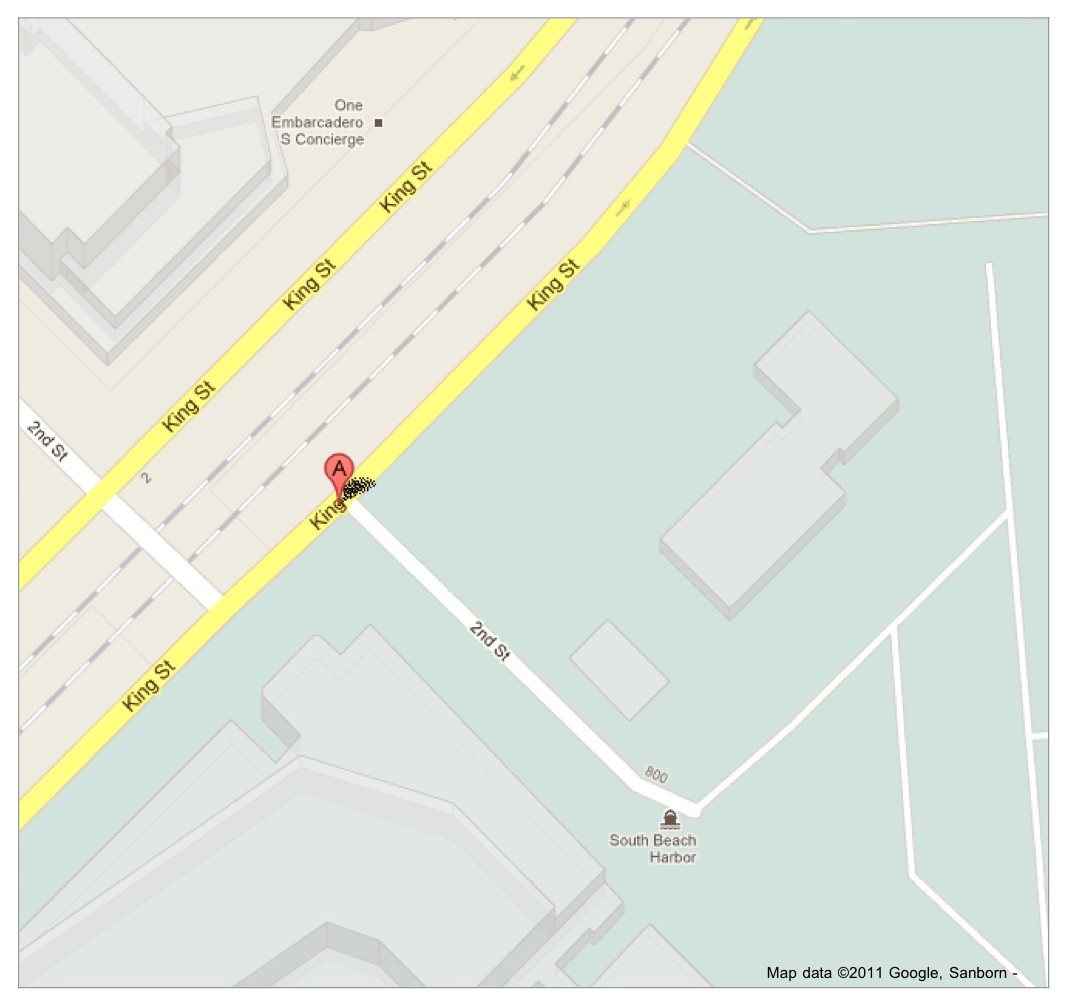 Source: David Duckworth Research, Google Maps.

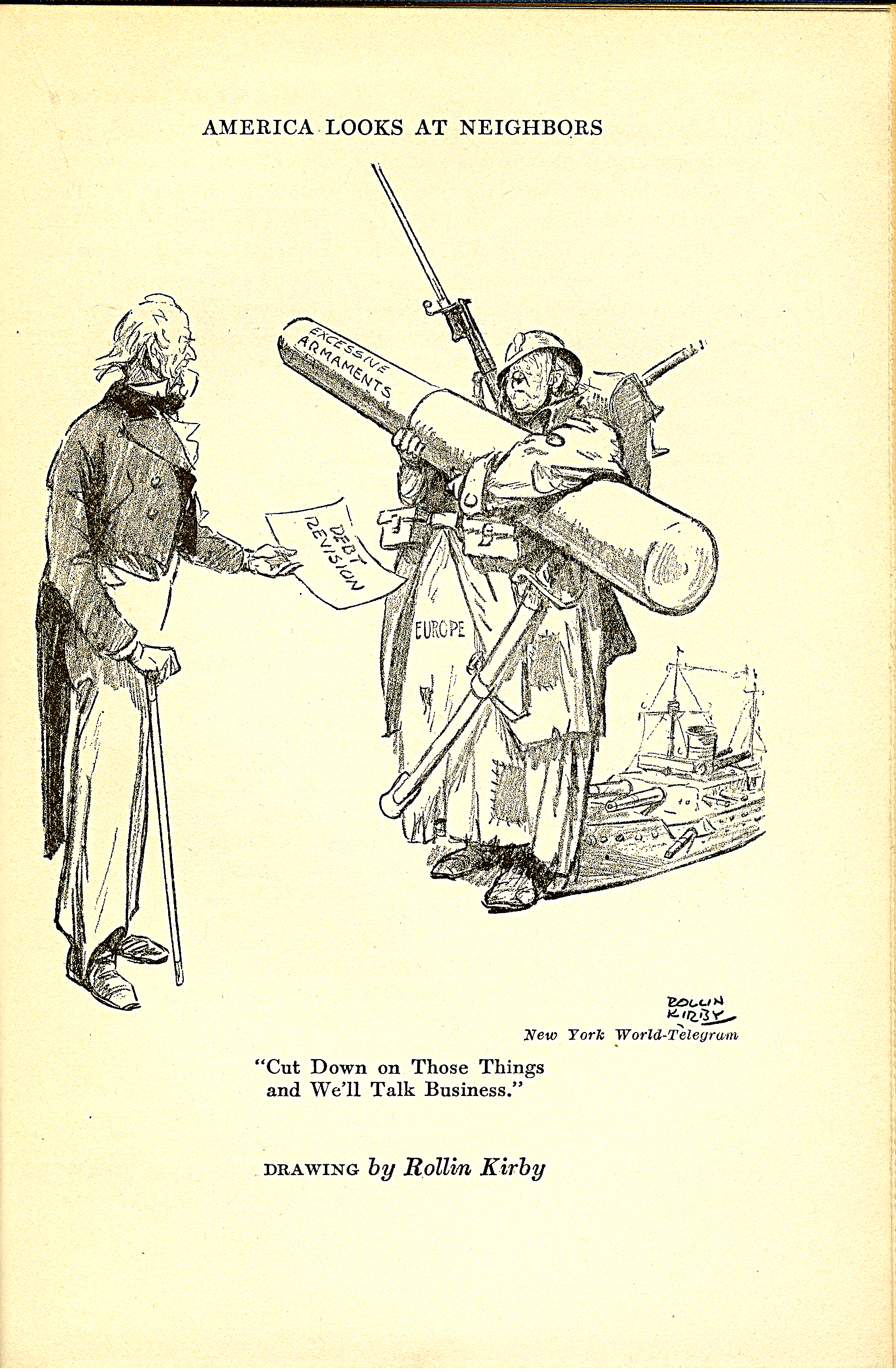
 dpduckworth